Cutting-edge Coffee Brewing Methods to Raise Your Morning Habit
Wiki Article
The Scientific Research Behind Coffee Developing: Just How Temperature Level and Time Affect Your Drink
Comprehending the science behind coffee developing exposes that temperature and time are not simple variables yet essential aspects that determine the drink's flavor account and overall quality. As we explore the subtleties of these components, the inquiry arises: just how can one successfully equilibrium temperature and time to attain that ideal mixture?The Chemistry of Coffee Extraction
The chemistry of coffee removal dives into the detailed processes that change raw coffee beans into the fragrant drink taken pleasure in worldwide. This transformation mostly involves the solubility of different substances present in the beans, which are influenced by variables such as grind dimension, water top quality, and the brewing technique used.During the brewing procedure, warm water serves as a solvent, removing soluble compounds, including high levels of caffeine, acids, lipids, and sugars, from the coffee premises. Each substance adds to the flavor profile, fragrance, and body of the last beverage. For example, acids are accountable for intense and tangy notes, while oils add to an abundant mouthfeel.
The first phases of developing essence acids and sugars, leading to an enjoyable acidity, while prolonged removal can lead to resentment due to over-extraction of unfavorable compounds. Understanding these chemical communications is critical for enhancing brewing techniques, as the equilibrium in between extraction time and water temperature level can dramatically influence the overall top quality of the coffee.
Perfect Brewing Temperatures
Finding the appropriate developing temperature is crucial for opening the full possibility of coffee tastes and scents - coffee brewing methods. Research study indicates that the ideal range for developing coffee lies in between 195 ° F to 205 ° F(90 ° C to 96 ° C) Within this variety, the extraction procedure efficiently liquifies the desirable soluble substances in coffee beans, causing a tasty and well balanced cupDeveloping at lower temperature levels, such as below 195 ° F(90 ° C ), might result in under-extraction, generating a weak and acidic mixture with soft tastes. On the other hand, developing at temperatures going beyond 205 ° F(96 ° C) can result in over-extraction, generating a bitter and severe taste as a result of the excessive dissolution of unfavorable substances, such as tannins.
Furthermore, the ideal brewing temperature level can differ depending on the coffee bean type and roast degree. Lighter roasts usually benefit from somewhat greater temperature levels to boost their complex flavor accounts, while darker roasts might be much better suited to lower temperatures to alleviate anger.
Ultimately, maintaining precision in brewing temperatures is essential for accomplishing a harmonious balance of flavors, guaranteeing that every cup of coffee delivers a rewarding sensory experience.
Impact of Brewing Time
Brewing time plays a pivotal role in determining the flavor account and total top quality of coffee. The removal process, which influences the taste, fragrance, and body of the drink, is mainly based on exactly how long the coffee grounds are in contact with water. Much shorter developing times can lead to under-extraction, resulting in a sour or weak taste, as inadequate soluble substances are dissolved. Conversely, long term developing can result in over-extraction, where undesirable substances are launched, leading to a bitter or astringent preference.Optimal developing time differs relying on the technique utilized and the work size of the coffee. A French press normally requires concerning four mins, while espresso removal is generally finished within 25 to 30 seconds. It is vital to calibrate developing time in conjunction with various other variables, such as water temperature and coffee-to-water ratio, to attain the desired taste profile.
Comprehending the impact of brewing time makes it possible for coffee enthusiasts to improve their brewing methods, inevitably enhancing the sensory experience of their mug (coffee brewing methods). With mindful interest to this variable, one can open the complete potential of the coffee, exposing its distinct features and nuances
Brewing Approaches and Their Effects
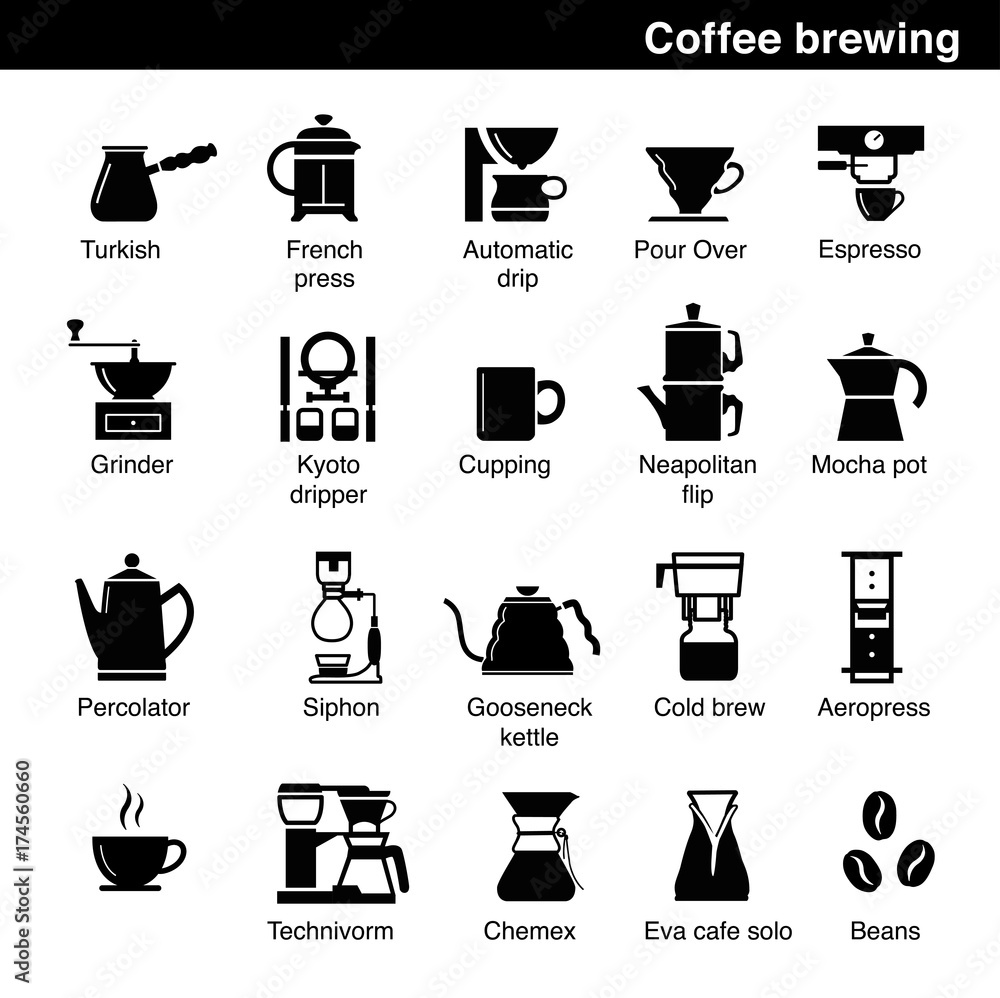
For instance, techniques like French press and chilly mixture permit a much longer steeping time, causing a fuller body and durable taste because of boosted removal of oils and soluble solids. Alternatively, coffee developing uses high pressure and a shorter extraction time, producing a concentrated shot that highlights intense tastes and a rich crema.
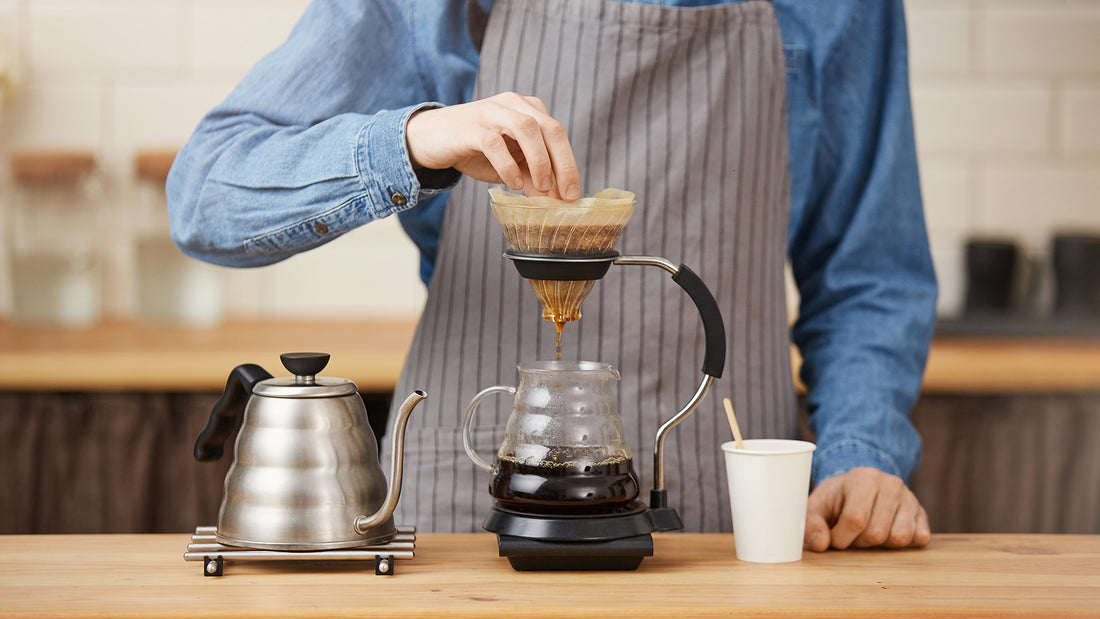
Pour-over strategies, such as Chemex or V60, published here offer a more regulated removal procedure, permitting the maker to control flow rate and water distribution, which can enhance illumination and quality. At the same time, percolation approaches cycle water with the coffee grounds multiple times, leading to a stronger, often bitter taste.
Finally, the use of paper filters versus steel filters can likewise affect the final preference; paper filters normally generate a cleaner cup by capturing oils and fine particles, while steel filters enable more oils to travel through, adding to a fuller mouthfeel - coffee brewing methods. Comprehending these nuances can raise the coffee experience considerably
Tips for Perfecting Your Mixture
A well-executed brew can transform also the simplest coffee right into an exceptional experience. To achieve this, focus to detail is essential. Beginning with premium, freshly baked beans, as their flavor account visit homepage diminishes with time. Grind the beans just prior to brewing to maximize quality, ensuring the work dimension matches your developing technique-- coarser for French press and finer for coffee.Water quality plays a vital role; use filteringed system water devoid of pollutants. The optimal brewing temperature level ranges in between 195 ° F and 205 ° F(90 ° C to 96 ° C ) As well warm can scorch Read Full Article the coffee, while too trendy may under-extract flavors.
Timing is similarly vital. For immersion methods, steeping for 3 to 5 mins is optimal, whereas drip methods normally take about 5 minutes. Try out brew times to discover your recommended toughness.
Final Thought
In summary, the intricate partnership between temperature level and time is extremely important in the coffee brewing procedure. Comprehending these scientific concepts equips people to improve their brewing strategies, inevitably leading to an extra enjoyable and balanced coffee experience.Understanding the science behind coffee brewing exposes that temperature level and time are not mere variables yet critical components that dictate the drink's flavor account and overall high quality. Understanding these chemical communications is essential for maximizing brewing methods, as the equilibrium between extraction time and water temperature level can dramatically affect the general high quality of the coffee.Brewing time plays an essential duty in establishing the taste profile and total top quality of coffee. By concentrating on these components-- bean high quality, grind dimension, water temperature, soaking time, and ratio-- you can raise your coffee developing process, resulting in a consistently superior mug.
In summary, the detailed relationship in between temperature level and time is vital in the coffee brewing process.
Report this wiki page